The Evolution of College Football Playbooks
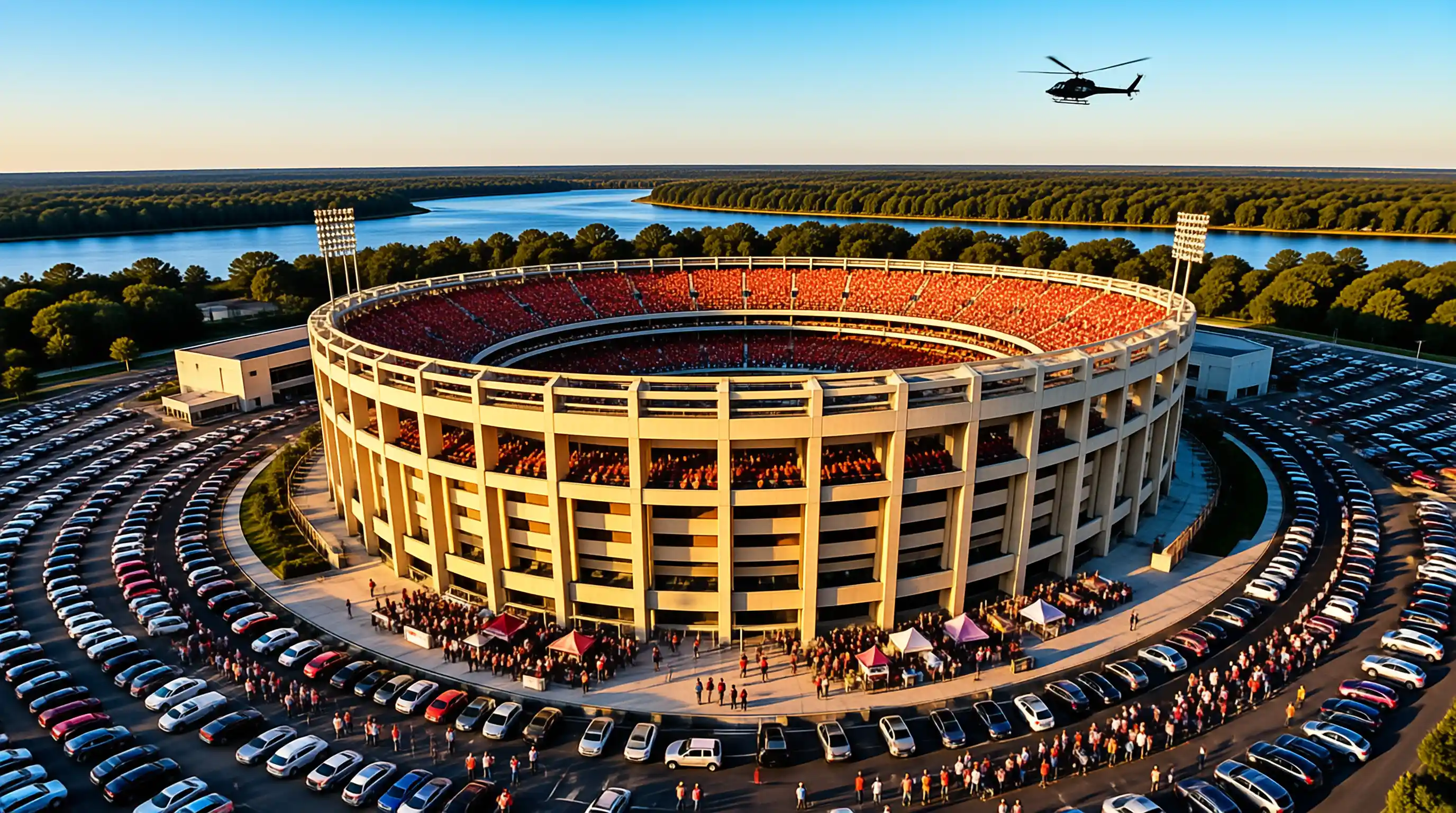
Understanding the intricacies of a football playbook requires examining real-world strategic shifts. One notable example occurred during the 2016 NCAA Division I FBS football season involving the Wake Forest Demon Deacons. Representing Wake Forest University, the team was coached by Dave Clawson in his third season. They played home games at BB&T Field and competed in the Atlantic Division of the Atlantic Coast Conference.
After finishing the season 7–6 and defeating Temple in the Military Bowl, significant internal issues arose. Following a loss to Louisville on November 12, Coach Clawson alleged impermissible information leaks benefited the opponent. By December 14, former staff member Tommy Elrod was dismissed for leaking confidential game preparations. In response, Clawson and offensive coordinator Warren Ruggiero completely overhauled the offensive playbook in the offseason. This resulted in the creation of the "slow mesh" offense, a scheme heavily based on the run-pass option (RPO).
The Role of the Dual-Threat Quarterback
Modern offensive schemes often rely on the versatility of the quarterback. In gridiron football, a dual-threat quarterback is adept at both passing and running with the ball. With the rise of blitz-heavy defensive schemes and faster defensive players, the importance of a mobile quarterback has been redefined. While arm power and pocket presence remain vital, the ability to elude defenders creates additional threats that allow greater flexibility in the team's passing and running game.
- Option Offenses: These allow the quarterback to hand off, run himself, or pitch to the running back. College teams employ these earlier and more commonly than the NFL.
- Historical Examples: Early college dual-threats included Reggie Collier, Brian Mitchell, and Charlie Ward. Tim Tebow emerged in the 21st century as one of the best dual-threats in college history.
- NFL Influence: Players like Michael Vick ushered dual-threat quarterbacking into the mainstream in the 2000s. Recent stars such as Cam Newton, Lamar Jackson, and Jayden Daniels cite Vick's influence on their styles.
Conference Dominance and Historical Context
To understand the impact of effective playbooks, one can look at successful programs like the 2007 Oklahoma Sooners. Led by two-time Walter Camp Coach of the Year Award winner Bob Stoops, the team played at Gaylord Family Oklahoma Memorial Stadium. As a charter member of the Big 12 Conference, they finished the regular season with an 11–2 record, winning their fifth Big 12 title.
Despite a victory over the Missouri Tigers in the Big 12 Championship Game, the Sooners lost to the West Virginia Mountaineers in the Fiesta Bowl. Following the season, several players were drafted into the NFL, highlighting how strong program structures develop talent. Whether analyzing the 2007 Sooners or the 2016 Demon Deacons, the integrity and adaptability of the playbook remain central to team success.