A Homecoming That Required a Security Plan
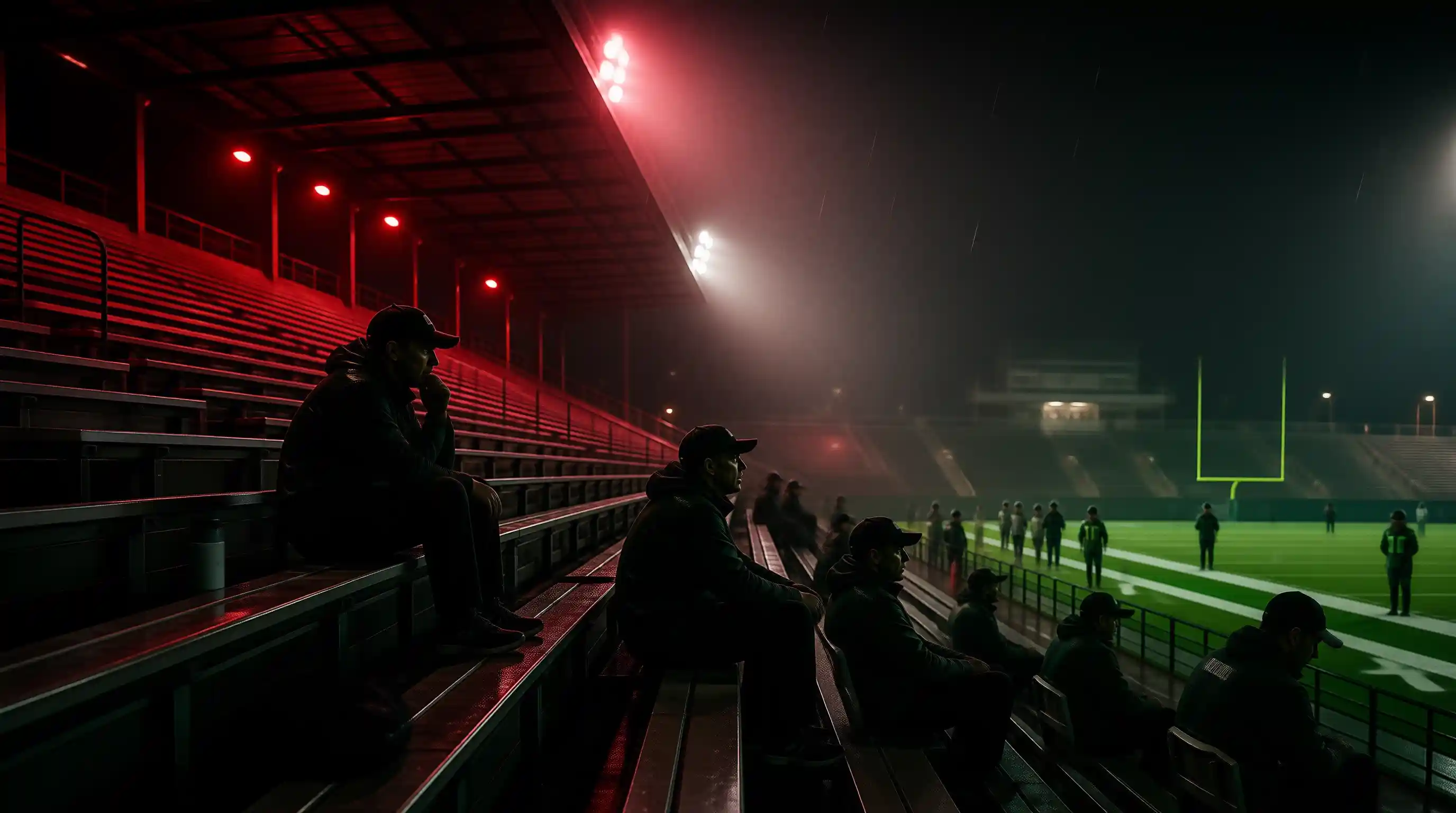
LSU officials took extra security steps to protect their coach before Saturday's game in Oxford, CBS Sports reported, and the Oxford police department is beefing up staffing for the matchup at Vaught-Hemingway Stadium. Sports Business Journal framed the same development Friday as heightened security around what it called Kiffin's emotional return.
That is an unusual operational posture for a regular-season conference game, and it is a measure of how this specific departure landed. Kiffin is not returning to a former site as a curiosity. He is returning to the job he held for six years, at the program he left mid-conversation about a College Football Playoff run, in a rivalry that already carries its own gravity.
What Kiffin Actually Said About It
Kiffin did not soften the framing. Asked about the environment, he told reporters he thought it was an unusual situation to face a team you built and then a new team you are building, and added that he recognized there would be people with a plan for the way the day goes. He then made the calculation for his players: with so much attention on him, the players get to simply play.
"Really, the pressure is on them," Kiffin said of Ole Miss, pointing out that his team had won seven games the previous season — a rhetorical move that converts a hostile road environment into somebody else's problem. He also described genuine safety considerations behind the arrangements rather than theatrics, which is why the LSU athletic department treated it as a logistics question rather than a narrative one.
Six Years, Then a Playoff Berth Left Behind
The resentment has a specific source. Kiffin rebuilt Ole Miss into a consistent national contender over six seasons and left late in the previous season for LSU, ahead of a trip to the College Football Playoff — declining, in the eyes of a portion of the fan base, the chance to compete for a championship at the program he built. On3 characterized the Saturday game as potentially the most toxic of Kiffin's career, and Stephen A. Smith spent the week arguing Kiffin should stop resisting the pariah role that comes with it.
Golding's presence makes it sharper. He followed Kiffin's staff structure up from Ole Miss defense, and the two coaches have spent the week exchanging public assessments of each other's quarterback availability, which is the closest thing to a personal grudge that a rules-adjacent subplot can produce.
The Economics of a Hostile Road Game
Interest in this game extends past the stadium. Local reporting in Mississippi described businesses seeing a rush of fans ahead of kickoff and framed the matchup as a measurable economic event for Central Mississippi, which is the practical reason a security plan gets written at all: the crowds that make the game hostile are the same crowds that make it operationally demanding.
LSU is a 2.5-point favorite at Vaught-Hemingway with a 58.5 total on FanDuel, a line that already prices in venue difficulty. The variable the market cannot model is whether the surrounding noise — the banned colors in the student section, the enlarged protective detail, the coach as the story — reaches the field.
Where This Lands for Both Programs
Ole Miss arrives 2-0 having survived Louisville 41-38 in Nashville and then beaten Charlotte 41-9, which is a promising but incomplete résumé. LSU also arrives with a blowout and a close-call quality gap, and with its quarterback's health finally resolved. The loser's conference trajectory gets materially worse in a season where the SEC is already arguing with the selection committee about how many of its teams deserve inclusion.
Kiffin will spend the week answering questions about homecomings and his quarterback in the same breath. If he leaves Oxford with a win, both answers become a footnote about a game his team won on the road at one of the loudest venues in the conference.
What This Means for CFB 27
Hostile venue mechanics are one of the more underused layers in Dynasty. Crowd noise affects snap counts, audible windows and deep-route timing, which means the recruiting advantage a program like Ole Miss holds at home is something you can feel in your own franchise before you can quantify it in a rating. When you build a Dynasty schedule, an SEC road slate that includes Oxford is a legitimate stress test for a young quarterback.
For Road to Glory, the storyline is the more direct lesson. A coach leaving a program mid-project and immediately facing it is exactly the narrative shape the mode's transfer-portal-era career paths now support, and if you are rebuilding a struggling Dynasty roster, Kiffin's LSU situation is a live case study in how quickly a portal-heavy roster can be reshaped — and how long it takes the rest of the conference to accept it.