A Rout for the Record Books
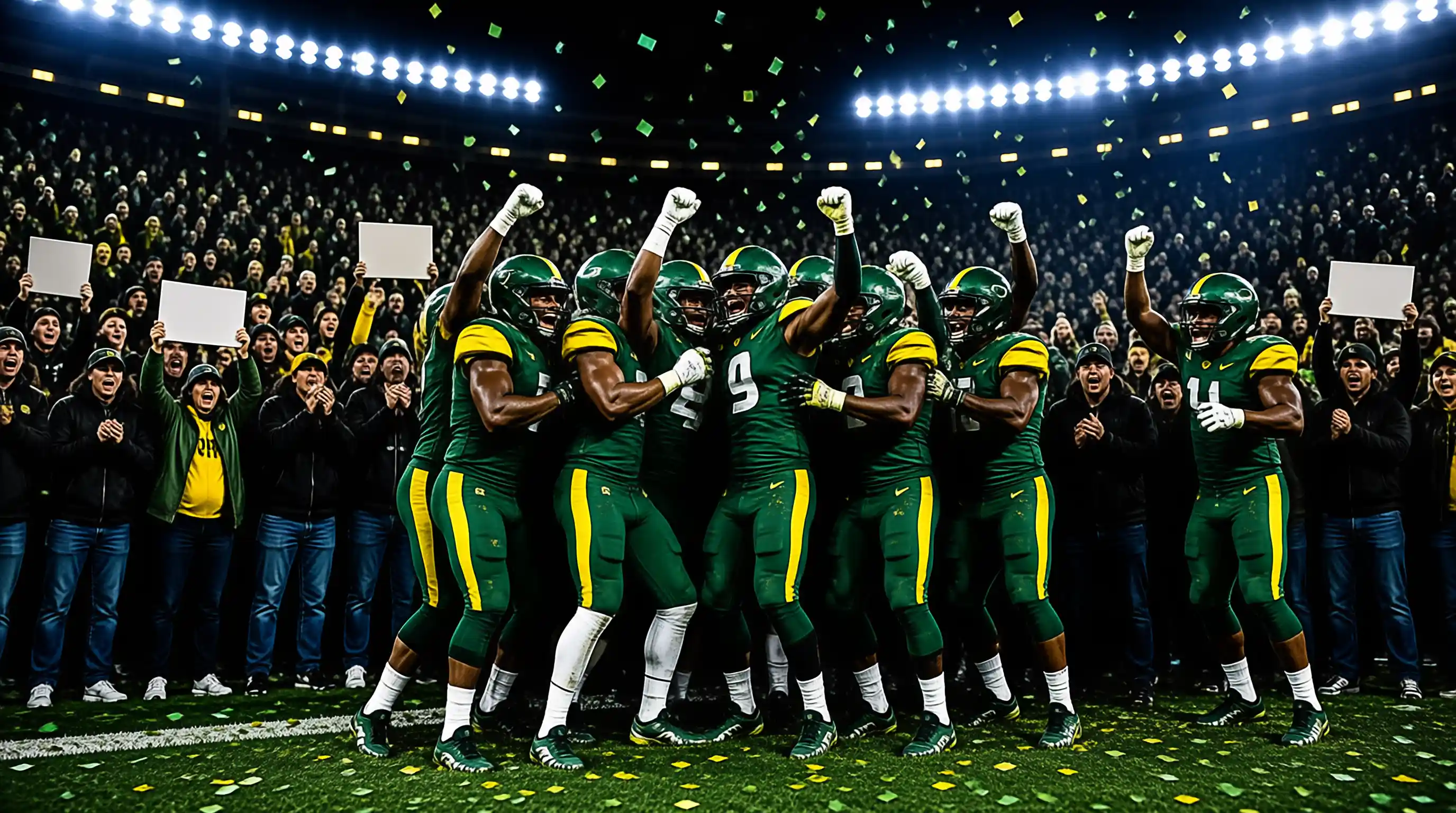
Miami put the rest of college football on notice with a 77-7 demolition of Florida A&M in its home opener — a blowout so complete that both head coaches agreed to shorten the game, with the fourth quarter reduced in a mercy-style arrangement (Fox News, streamlinefeed.co.ke). The win extended the Hurricanes' astonishing early-season run: after a record-setting Week 1, Miami's offense — headlined by Heisman favorite Darian Mensah — has yet to face a defense it can't shred.
A Historic HBCU Foe, Well Paid
The opponent deserves context: Florida A&M is one of college football's most historic HBCU programs, and it was paid a reported $760,000 guarantee to make the trip to Miami — the standard economics of the FBS-FCS ecosystem (EssentiallySports). When a guarantee game turns into a 70-point rout, it reignites the debate about competitive imbalance, even as both programs walk away having achieved their goals: Miami's statement win and FAMU's payday.
The Shortened-Game Trend
The mutual decision to cut the game short followed a similar mercy move earlier in the season, when Arizona State and Morgan State agreed to reduce the fourth quarter of their blowout to 10 minutes (NBC Sports). While NCAA rules allow coaches to shorten games by mutual consent in lopsided contests, the sight of top programs running up 70-point scores — and the 'shortened' compromise — has fueled the sport's broader debate about schedule strength, sportsmanship and the growing chasm between the haves and have-nots (USA Today, Fox News).
What This Means for CFB 27
In CFB 27, Miami's 77-7 statement is a market earthquake: Mensah's Heisman chase and the Canes' national-title path are driving Ultimate Team prices on Miami cards to new highs every week. The shortened game is also a Dynasty lesson — a mercy agreement changes nothing in the sim, but real-world blowouts of this magnitude say everything about a roster's ceiling. And for traders, the FAMU payday story is a reminder of the economics underneath the sport: guarantee games are business first, and the scoreboard rarely stays close. If you're holding Miami cards, hold them; if you're building a contender, this is the ceiling you're chasing.